Floral Silhouette Cut Files: A Designer’s Review
As a designer who spends half my life staring at stitch density charts and the other half trying to convince clients that "handmade" justifies a higher price point, I approach every new embroidery file with a healthy dose of skepticism. We have all been burned by designs that look stunning on a screen but turn into a tangled mess of thread on the machine. That is why I took Floral Silhouette Cut Files for a real-world test run. This isn’t just about whether the design stitches out; it is about whether it sells, whether it holds up to wear, and whether it elevates your brand or just fills space.
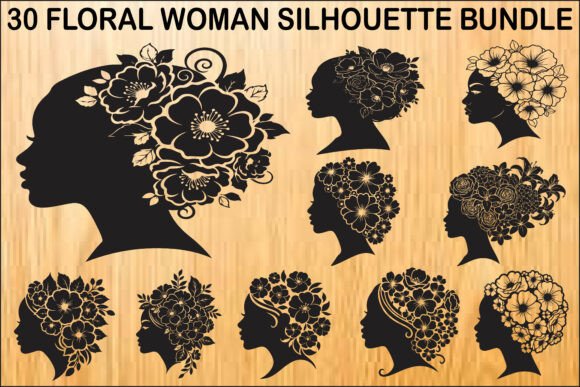
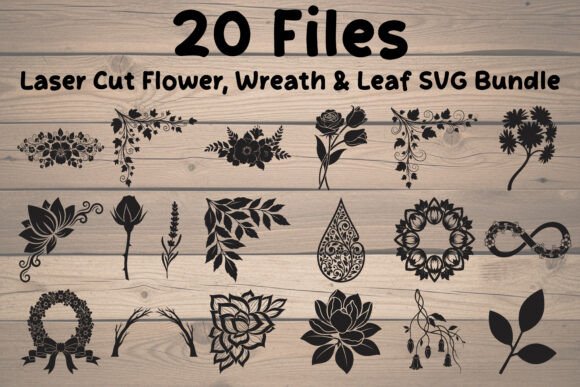
The product description highlights this as a versatile collection, originally marketed as laser cut SVGs, but its application in the world of digital embroidery assets is where the real value lies. For those of us looking to expand our inventory of design assets, understanding how a silhouette-based machine embroidery design translates from vector to fabric is crucial. Here is my practical breakdown of how Floral Silhouette Cut Files performs in actual production scenarios.
First Impressions: Mood and Visual Personality
When you first load Floral Silhouette Cut Files into your digitizing software, the immediate takeaway is elegance through simplicity. Unlike busy, multi-colored floral patterns that require complex color changes and precise alignment, silhouettes rely on shape and negative space. The mood created here is timeless and slightly rustic, leaning heavily into the cottage-core aesthetic that has dominated craft fairs and Etsy listings for the past few years.
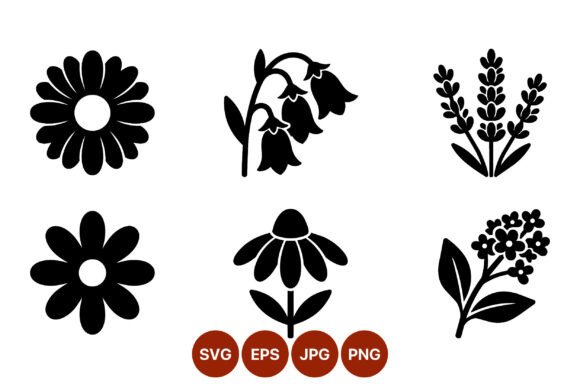
The visual personality is bold yet understated. Because these are silhouettes, they command attention without shouting. This makes them incredibly versatile for custom apparel. Whether you are creating a minimalist logo for a boutique brand or a large-scale graphic for a sweatshirt, the clean lines of the flowers and wreaths provide a strong anchor for the design. It feels professional because it trusts the viewer to fill in the gaps. There is no clutter, which means there is less room for error during the stitching process.
Real-World Application: From Screen to Stitch
I decided to put this embroidery project to the test by designing a custom line of tote bags and baby onesies. These items are staples for any Etsy seller or small shop product owner, but they present unique challenges regarding fabric texture and hoop stability.
Tote Bags and Canvas Projects
Canvas is a notoriously difficult fabric for embroidery. It is thick, often uneven, and can pucker if the stitch density is too high. When I applied the floral silhouettes to heavy-duty canvas, the solid fill areas held up remarkably well. However, I had to be careful with the smaller leaf details. If the design includes intricate inner cutouts, testing on scrap fabric first is non-negotiable. For larger, bolder silhouettes, the result was crisp and durable. Customers love these because they feel substantial. A well-stitched tote bag design using Floral Silhouette Cut Files signals quality immediately. It doesn’t look like a quick print; it looks like an investment piece.
Baby Items and Soft Goods
Moving to softer fabrics, such as organic cotton for baby embroidery, the silhouette approach shines. Thin or stretchy fabrics are prone to distortion. By using a design that relies on broad strokes rather than tiny, fragile threads, we reduce the risk of puckering. I tested this on muslin and jersey knits. The key here is choosing the right stabilizer. With a dense fill stitch, a tear-away stabilizer might not be enough; a cut-away is often safer for longevity. The resulting personalized gift feels soft against the skin while maintaining its structural integrity after multiple washes.
Holiday and Seasonal Merchandise
One of the smartest moves a craft business owner can make is repurposing designs for seasonal themes. While these files are described as general floral, their versatility allows them to fit into holiday narratives. Imagine a wreath silhouette stitched in deep red and gold on a kitchen towel for Christmas, or in pastel greens and whites for Easter. This adaptability increases the perceived value of your finished product. You are not selling one design; you are selling a motif that fits into the customer’s life throughout the year.
Where Caution Is Required
No design is perfect for every situation, and being honest about limitations builds trust with your audience. There are specific scenarios where Floral Silhouette Cut Files might struggle if not handled with care.
- Small Hoop Sizes: If you are working on something delicate, like a cap front or a small embroidered patch, ensure the silhouette is scaled appropriately. Tiny details can get lost or become too dense to stitch cleanly in a small area.
- Textured Fabrics: Linen, wool, or heavily textured knits can hide the fine edges of a silhouette. On smooth fabrics, the contrast is sharp. On rough fabrics, the design may look muddy. Always check thread color contrast against the fabric texture.
- Curved Surfaces: Applying this to curved items like hats requires careful hooping. If the fabric distorts under tension, the symmetry of the floral arrangement will break. Practice on cheap fabric before committing to a premium garment.
- Dense Stitch Areas: While silhouettes are generally efficient, if the design uses a very tight saturn stitch border around a large fill, it can become stiff. For wearable items like sweatshirt embroidery, you want the fabric to remain somewhat pliable. Check the stitch type; a combination of running stitch outlines and lighter fills often works better than solid blocks.
Design Notes for the Professional Maker
To get the most out of this digital embroidery file, I recommend a few technical steps before you start your production run. First, inspect the design in black and white mockups. Sometimes, color distracts us from poor spacing. If the shapes merge together when viewed in grayscale, they will likely tangle in real life.
Second, confirm the licensing terms. As a commercial embroidery asset, you need to know if you are allowed to sell the finished physical goods. Most modern bundles allow this, but verifying the license protects your brand consistency and legal standing. Third, experiment with thread colors. Don’t just stick to the obvious green-on-white. Try metallic threads for accents or contrasting colors to highlight the silhouette shape. This adds a layer of professionalism that buyers notice.
Final Verdict
Floral Silhouette Cut Files is a solid addition to any designer’s toolkit. It bridges the gap between Illustrations meant for print and functional Graphics for textiles. Its strength lies in its clarity and adaptability. It works beautifully for printable mockups to preview sales, and even better when stitched into reality.
For the creative entrepreneur looking to streamline their workflow without sacrificing aesthetic appeal, this bundle offers a reliable foundation. It avoids the pitfalls of overly complex digitization while delivering a high-end look. Just remember to respect the fabric, choose your stabilizer wisely, and always test before you sell. When executed correctly, a simple silhouette can tell a complex story of quality and care, turning a basic handmade product into a cherished keepsake.